

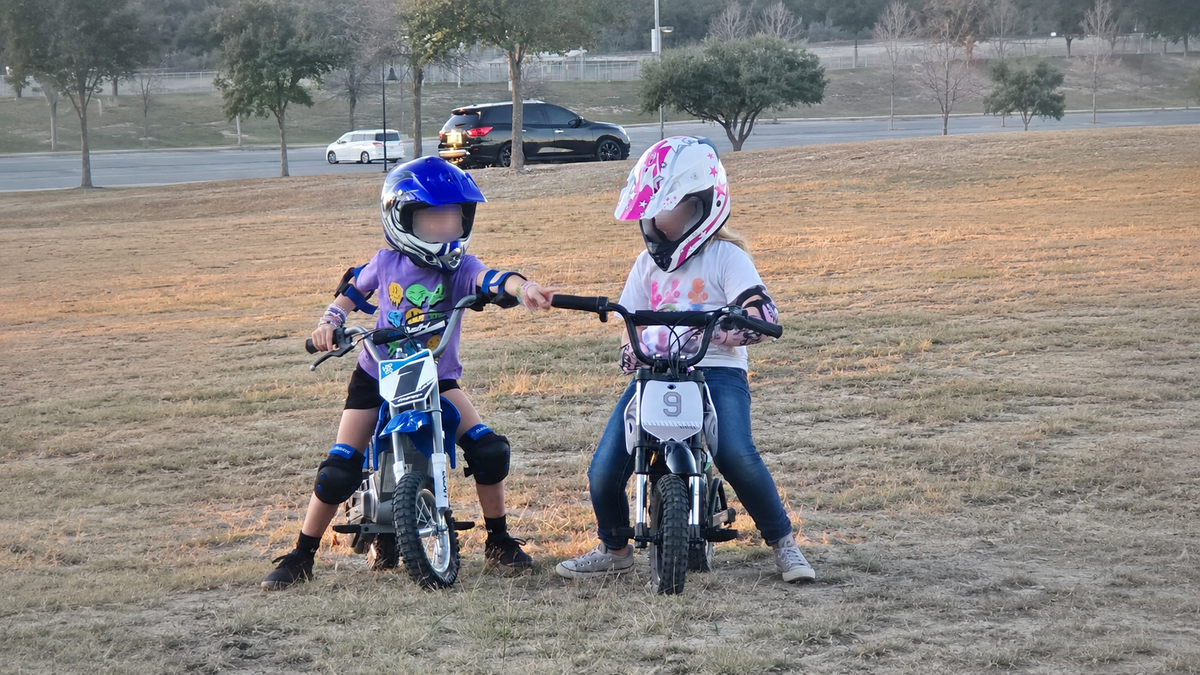
Finding a place for a child to ride an electric dirt bike is not as simple as locating an empty path. Youth off-road bikes can be restricted on public roads, sidewalks, bicycle trails, parks, shared-use paths, and public land. Rules vary by state, county, city, land manager, vehicle classification, rider age, and equipment.
This guide gives U.S. families a method for checking where riding is allowed. It is general information, not legal advice. Always verify current local rules with the authority that manages the exact property before unloading the bike.
Start with the bike’s intended use
Read the manufacturer’s label and manual. A youth electric dirt bike may be sold for off-road recreational use rather than street transportation. The presence of a motor, throttle, seat, or particular speed can place it outside ordinary bicycle rules even though it is electric.
Do not assume that “electric bike” laws automatically apply. Many e-bike definitions require operable pedals and specific motor or speed limits. A throttle-only youth dirt bike may be treated as an off-highway vehicle, motorized recreational device, motor-driven cycle, or another category.
Public streets are usually the wrong starting point
A quiet neighborhood road still belongs to a public traffic system. Registration, lighting, brakes, mirrors, insurance, license, age, and equipment requirements may apply. A youth off-road model may not qualify for registration or street use at all.
Parents should not rely on low traffic or short distance as permission. Driveways that cross sidewalks and streets also require care. Review the broader article Are Electric Dirt Bikes Street Legal? and confirm local rules.
Sidewalks and bicycle paths are not automatic alternatives
Sidewalks are designed for pedestrians, and local ordinances often restrict motorized vehicles. Bicycle paths may allow qualifying pedal-assist e-bikes while prohibiting off-road motorcycles or throttle-only recreational vehicles. The surface looking suitable does not determine legality.
Shared paths also create collision risk with walkers, children, dogs, runners, and cyclists. A beginner practicing starts and stops should use a controlled area without public traffic.
Private property may be the simplest option
Private land can provide a controlled learning environment when the owner gives explicit permission and local zoning, noise, environmental, and vehicle rules allow the activity. Permission should come from the actual owner or authorized manager, not another visitor.
Families should define boundaries, remove hazards, protect neighbors from noise and dust, and prevent access to roads, pools, drop-offs, livestock, and vehicles. The guide on how much riding area a child needs helps evaluate space and runoff.
Your backyard still has rules and responsibilities
Owning the yard does not eliminate municipal noise ordinances, homeowners association rules, lease restrictions, easements, or nuisance complaints. Check whether motorized recreation is allowed and establish reasonable riding hours.
Inspect for hidden holes, irrigation equipment, fences, roots, play structures, and pets. Use short, supervised sessions. Electric bikes are quieter than gas bikes, but tire noise, voices, and repeated laps can still affect neighbors.
OHV parks can be good—but verify vehicle eligibility
Off-highway vehicle parks and motocross facilities may offer managed routes, directional traffic, and areas separated by skill. However, each facility sets rules for electric bikes, youth riders, protective gear, spark arrestors, registration, permits, waivers, and adult supervision.
Call or check the official site before traveling. Ask whether a throttle-only youth electric dirt bike is accepted, which area matches beginners, and whether the child must complete training or carry an OHV identification permit.
Public land is managed by specific agencies
Federal, state, county, and municipal land can contain a mix of open motorized routes and closed areas. A trail open to hiking or mountain bikes is not necessarily open to motorized vehicles. Seasonal fire, wildlife, erosion, and weather closures can change access.
Use official motor vehicle use maps and agency information rather than social-media tracks. Confirm the vehicle class, route designation, dates, permit, and youth supervision requirements. Stay on designated routes.
State OHV registration may apply
Some states require off-highway vehicles to display identification or obtain a permit even when used away from public roads. Rules may depend on residency, location, land ownership, or vehicle characteristics. Other states may exempt certain private-property use.
Contact the state motor vehicle, parks, natural resources, or OHV agency. Save the relevant official page and receipt. A retailer’s general statement cannot replace the law where the bike is ridden.
Rider age and supervision rules vary
Jurisdictions and facilities may set minimum ages, direct adult supervision requirements, training certificates, helmet rules, or limits on engine and motor categories. A child who fits the bike physically may still be prohibited from a route.
Never use an older sibling as the only supervisor unless the rules and family safety plan specifically allow it. An adult should understand the controls, boundaries, emergency plan, and how to stop the session.
Helmets and protective gear may be legally required
Even where not explicitly required, properly fitted protective gear is essential. A helmet must match the activity and fit the child, not simply be an adult hand-me-down. Add eye protection, gloves, boots, long clothing, and suitable body protection.
Use the off-road safety checklist before riding. Legal permission does not mean the terrain or speed is appropriate for a beginner.
Do not confuse access with suitability
A legal route can still be too steep, narrow, rocky, crowded, remote, or fast for a new rider. Check trail rating, width, elevation, surface, traffic direction, emergency access, and the distance back to the vehicle.
Read how terrain affects electric dirt bike range and control. Begin with short loops near the starting point and preserve a generous battery reserve.
Respect closures and environmental limits
Do not ride around gates, barriers, restoration signs, muddy-trail closures, or private-property markers. Wet riding can damage trails and create ruts even when the bike is quiet and emission-free. Avoid streams, standing water, wildlife areas, crops, and sensitive vegetation.
Pack out trash and damaged parts. Clean dirt before moving between ecosystems when agencies request it. Responsible families help keep riding areas open.
Ask these questions before visiting
- Is a throttle-only youth electric dirt bike allowed?
- Is registration, an OHV permit, or a day pass required?
- What rider ages and adult-supervision rules apply?
- Which beginner area or trail is appropriate?
- What helmet and protective equipment is required?
- Are there speed, noise, battery, or fire restrictions?
- Are waivers, training certificates, or reservations needed?
- Are any routes closed today because of weather or fire risk?
Record the name of the facility or agency and check again before each trip. Policies and closures can change.
Create a safe practice zone
After confirming permission, mark a visible boundary, starting point, stopping zone, and spectator area. Keep the course away from roads and parking lots. Remove obstacles and position the adult where the entire route is visible.
The child should demonstrate starts, stops, and wide turns in the lowest appropriate mode before joining a trail. A 30-day beginner riding plan can structure early sessions.
Plan for emergencies
Know the exact address or trailhead, phone coverage, facility contact, nearest medical access, and how to retrieve a disabled bike. Carry water, basic first-aid supplies, model-approved tools, and emergency information.
Do not send a child beyond communication range. Weather, battery condition, and daylight should leave a conservative margin for returning safely.
How this applies to the Ecoleap K2
The Ecoleap K2 is intended as a youth off-road learning bike. Its electric motor and three speed modes do not automatically make it a street-legal e-bike. Parents must verify how the jurisdiction and land manager classify it.
Use it on permitted private property or approved off-road facilities that accept its vehicle type. Match the mode to the child and terrain, supervise every session, and follow the manual and local requirements.
A five-source verification method
- Read the bike label and manual.
- Check state vehicle and OHV rules.
- Check city or county ordinances.
- Check the landowner or facility’s official policy.
- Call the managing authority when classification remains unclear.
Take screenshots or save links from official sources. A forum answer from another state is not reliable permission.
Frequently asked questions
Can my child ride in a cul-de-sac?
Not merely because traffic is low. A cul-de-sac is normally a public street and the bike may not meet road-use requirements.
Can electric dirt bikes use mountain-bike trails?
Only when the land manager explicitly allows that vehicle classification. Many trails distinguish pedal-assist e-bikes from throttle-only dirt bikes.
Is private property always legal?
No. Owner permission is essential, and local noise, zoning, HOA, lease, environmental, and safety rules may still apply.
Can we ride on public land if there is no sign?
Absence of a sign is not permission. Use official maps and current agency rules.
Insurance and liability questions
Homeowners, renters, vehicle, or recreational policies may treat motorized youth vehicles differently. Do not assume an injury or property-damage claim is covered simply because riding occurs on private land. Ask the insurer how the exact vehicle and location are classified, whether guest riders are covered, and whether an organized facility requires separate protection or a waiver.
A waiver does not replace supervision, permission, maintenance, or appropriate terrain. Keep the owner’s permission, facility rules, registration documents, and emergency contacts with the trip plan. If another child will ride, confirm parental permission and fit the bike and protective gear for that rider rather than relying on the primary child’s setup.
Final takeaway
The correct place for a child to ride is both legally permitted and suitable for the rider’s ability. Identify the bike’s classification, verify state and local rules, obtain landowner or facility permission, and confirm current route access. Then evaluate terrain, supervision, gear, battery reserve, and emergency access. A few minutes of official verification can prevent a citation, conflict, damaged trail, or unsafe first ride.


Share:
How Much Does a Kids’ Electric Dirt Bike Really Cost to Own?
When Is a Child Ready for a Faster Speed Mode?