


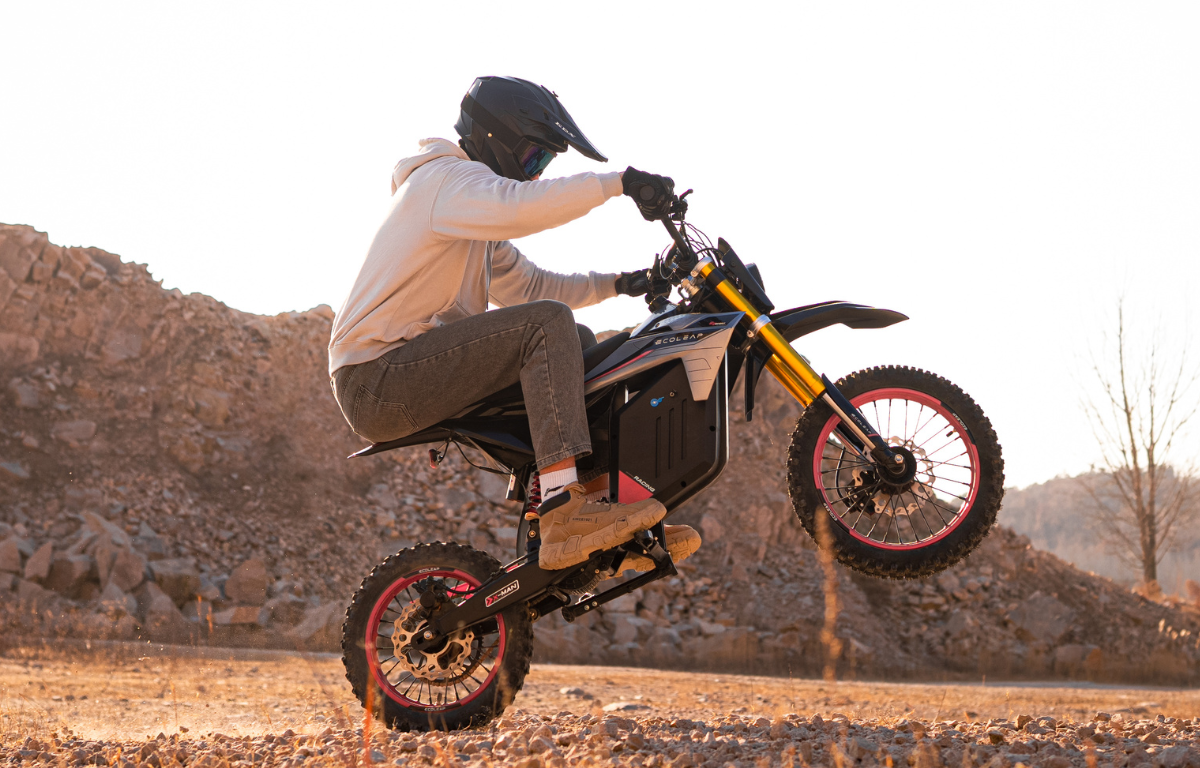
If you are shopping for an electric dirt bike or a high-performance off-road ebike, you will quickly notice that the market is divided into two major technological camps: mid-drive motors and hub motors.
While both systems will get you from point A to point B, they deliver power in fundamentally different ways. Choosing the wrong one can drastically affect your bike's handling, climbing ability, and overall durability on rough terrain.
In this comprehensive guide, we’ll break down the core differences between mid-drive vs hub motors so you can decide which drivetrain fits your riding style.

1. What is a Hub Motor?
A hub motor is built directly into the center of either the front or rear wheel (most commonly the rear wheel for dirt bikes). It operates independently of the bike's gears and chain, spinning the wheel directly.
The Pros:
-
Simplicity and Reliability: Hub motors have very few moving parts. Because they bypass the chain and gears, they place almost zero wear and tear on your bike’s traditional drivetrain. Even if your chain breaks, a hub motor can still drive you home.
-
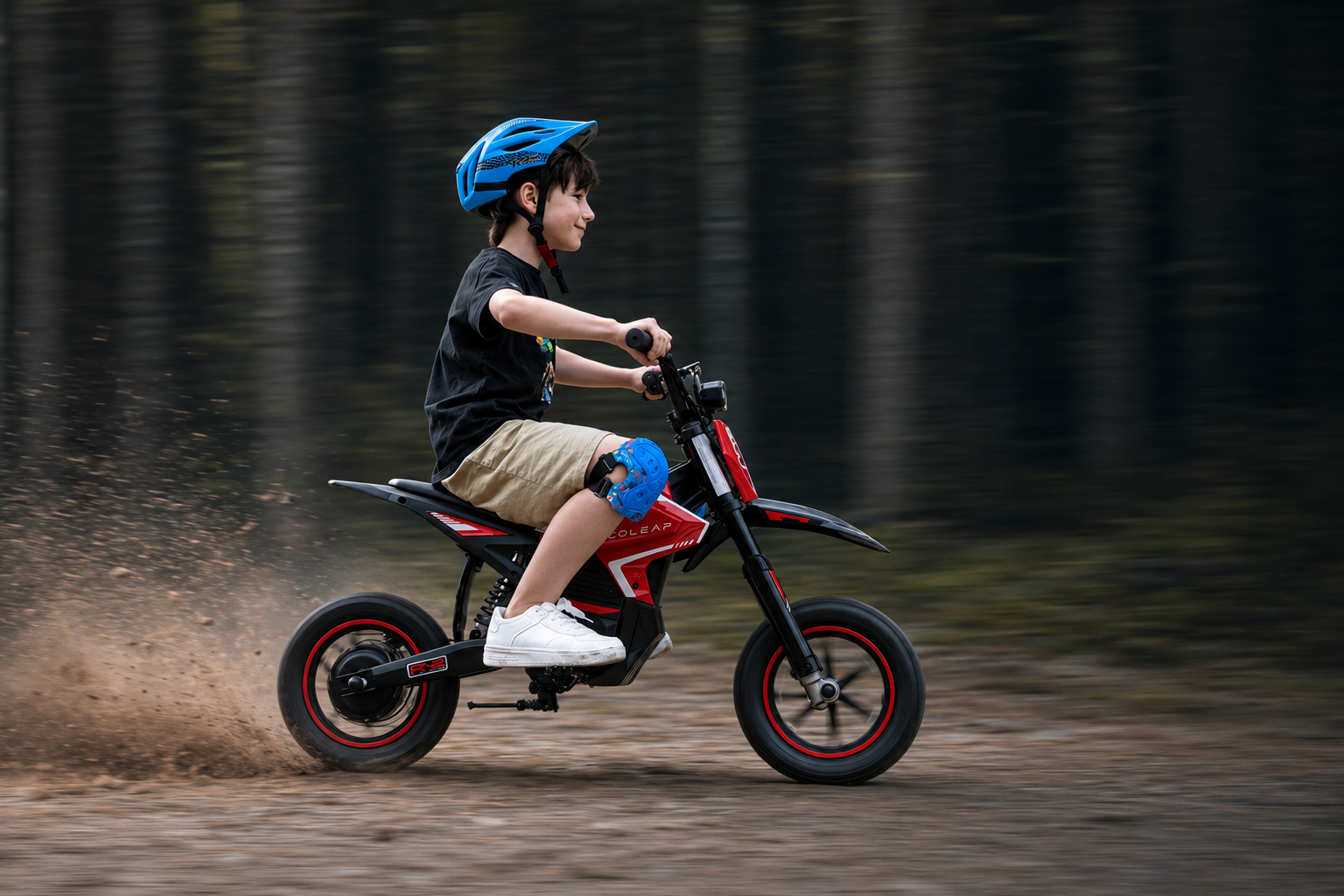
Cost-Effective: They are significantly cheaper to manufacture and install, making them the standard choice for entry-level and cheap electric dirt bikes for kids.
-
Regenerative Braking: Many hub motors allow for regenerative braking, feeding energy back into the battery when you slow down.
The Cons:
-
Poor Gear Utilization: A hub motor operates at a 1:1 ratio with the wheel. It cannot leverage the bike’s gears. If you hit a steep hill, the motor has to work harder at a lower, less efficient RPM, which can cause overheating.
-
Unbalanced Weight: Putting a heavy motor directly inside a wheel alters the bike's center of gravity and increases "unsprung weight," making the suspension less responsive over bumps.
2. What is a Mid-Drive Motor?
A mid-drive motor is positioned right in the center of the bike's frame, positioned low between the pedals or footpegs. It applies power directly to the chain or belt drive, sending torque through the rear wheel via the bike's existing gear system.
The Pros:
-
Superior Hill Climbing: Because a mid-drive drives the chain, it gets to use the bike’s gears just like a human rider or a traditional gas motorcycle. Shift into a low gear, and the motor gains massive torque to conquer steep, muddy inclines without overheating.
-
Perfect Balance and Handling: Placing the heaviest component dead-center and low on the frame creates an incredibly stable center of gravity. This makes mid-drive electric dirt bikes feel agile, balanced in the air, and easy to maneuver through tight trails.
-
Natural Ride Quality: Most mid-drives use sophisticated torque sensors that match the power delivery flawlessly to your throttle or pedal input.
The Cons:
-
Higher Component Wear: Because all that motor power goes through the chain and sprockets, your drivetrain will wear out much faster. If your chain snaps on the trail, you are stranded.
-
Higher Price Tag: Mid-drive engineering requires custom-built frames and complex internal gearing, which reflects in a higher retail price.
Direct Comparison: Head-to-Head
To make your decision easier, let’s compare how these two motor types perform across key off-road categories:
| Feature | Hub Motor | Mid-Drive Motor |
| Weight Distribution | Back-heavy (unbalanced for jumps) | Centered and low (ideal for handling) |
| Torque & Climbing | Moderate (struggles on steep inclines) | High (uses gears for maximum torque) |
| Drivetrain Wear | Low / None | High (puts stress on chain/belts) |
| Maintenance | Virtually maintenance-free | Requires regular chain/gear checks |
| Best For | Commuting, flat trails, budget bikes | Steep hills, technical single track, motocross |
Which One Should You Buy?
Choose a Hub Motor If:
You are looking for a reliable, low-maintenance commuter or an entry-level bike for casual trail riding. If your budget is tight and you mostly ride on relatively flat terrain, fire roads, or backyard grass, a rear hub motor offers incredible value for the money.
Choose a Mid-Drive Motor If:
You want a true off-road experience. If you plan to ride on steep mountain trails, tackle technical rock sections, or take your bike to a motocross track, a mid-drive off-road ebike is absolutely essential. The balanced handling and gear-assisted torque are unmatched when performance matters most.
Final Thoughts
There is no universal "winner" in the mid-drive vs. hub motor debate—only the right tool for the job. Take a close look at your budget and the terrain you intend to conquer before making your choice.
Ready to find your perfect ride? Check out our latest lineup of electric dirt bikes to experience the future of off-road power!
Share:
The Ultimate Guide to the Best Electric Dirt Bike for Kids (2026 Picks)
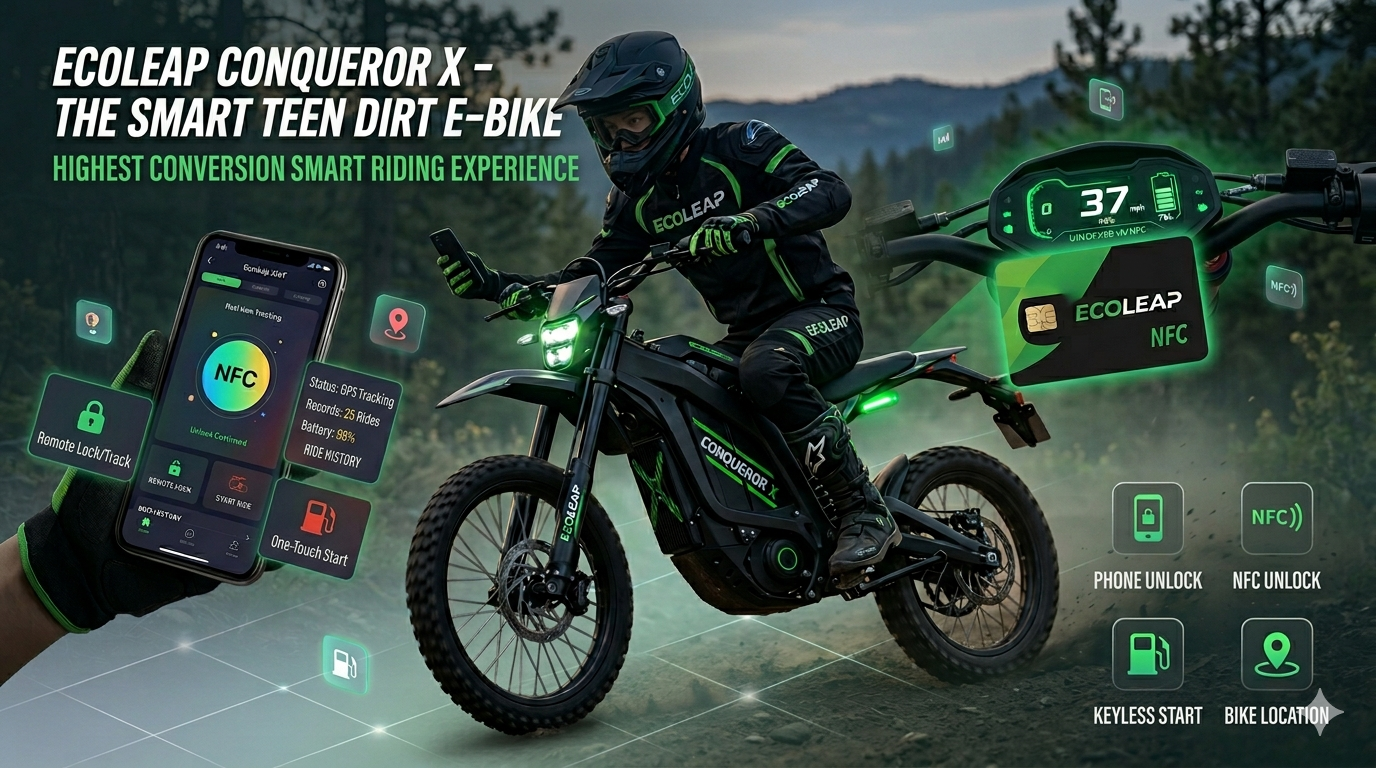
The Ultimate Teen Dirt E-Bike Guide: Ecoleap vs. Qronge vs. Tuttio vs. Aipas vs. Eskute vs. Yozma